
Projects
How to scope the electrical side of a plant shutdown
On most plant closures the electrical system is treated as demolition debris. It is generally the most valuable recoverable asset on the site.
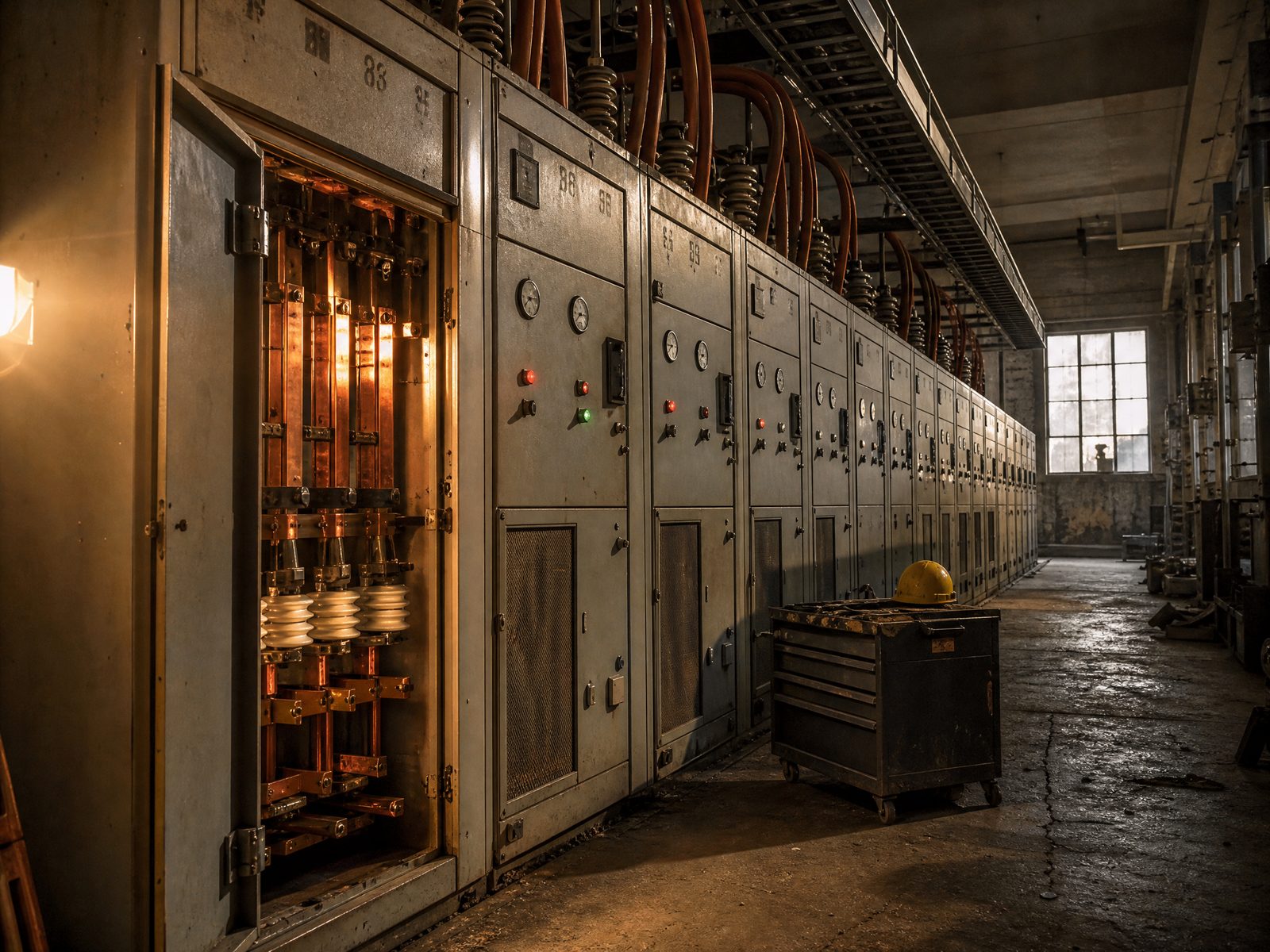
Plate 01
Inventory before you demolish
The first task is a list: every transformer, switchgear line-up, MCC, panelboard, busway run, transfer switch, capacitor bank, generator and cable feeder, with nameplate data and a photograph. It takes one person a few days on most plants and it is the foundation of every subsequent decision.
Without that list, equipment gets scrapped by whoever is holding a torch on the day the schedule tightens. With it, the high-value items can be sequenced out first and sold as functioning assemblies.
Plate 02
Sequence around power, not around geography
Demolition contractors sequence by area. Electrical systems have to be sequenced by dependency: what feeds what, and what still has to stay energized for lighting, fire protection, dewatering, security and the demolition work itself.
That means somebody has to decide early which distribution stays alive to the end, and often that means installing a temporary service so the permanent gear can be removed while it still has resale value. Gear that has to remain in place until the final week frequently ends up damaged or sold under pressure.
Plate 03
Sell versus scrap, decided on the list
Switchgear, transformers in the common size bands, drawout breakers, bus plugs, MCC buckets, generators and copper feeder cable generally carry resale value. Conduit, fittings, lighting, small panelboards, damaged enclosures and anything submerged or fire-damaged generally do not.
The important thing is that the decision is made from the inventory, in advance, and written into the demolition scope so that the equipment being sold is excluded from the demolition contractor's salvage rights. That single sentence in a contract has been worth six figures on projects we have worked on.
Plate 04
The documents that keep it moving
A current single-line diagram, the switching and isolation plan, the equipment inventory with photographs, environmental records for liquid-filled units, and a site access procedure. When those five documents exist, a decommissioning proceeds predictably. When they do not, every week produces a new surprise and the surprises are always expensive.
Questions
Frequently asked
When should I bring in an electrical equipment buyer?
As early as the closure decision, and ideally before the demolition contract is written. Early involvement lets high-value gear be sequenced out intact and keeps it out of the demolition salvage scope.
Do you work alongside demolition contractors?
Routinely. We take the electrical scope under our own insurance and coordinate with the general demolition sequence so both crews stay out of each other's way.
Can you buy an entire plant electrical system at once?
Yes. Whole-plant electrical lots are a core part of what we do, including switchgear, transformers, MCCs, busway, cable and the spare-parts inventory.
What about equipment that has to stay energized until the end?
We plan around it, and where the value justifies it we discuss temporary power so permanent gear can be removed while it still has resale value.
Next
Related field notes
Taking a substation out of service and out of the ground
How substation decommissioning is sequenced, what carries recovery value, and the utility coordination that has to happen before a crew mobilizes.
ProjectsWhat happens on site, hour by hour
From lockout coordination to the last sweep: the real sequence of an industrial electrical equipment removal, and where schedules usually slip.
ProcessWhy the storage shelf beats the switchgear on a value-per-pound basis
Breakers, bus plugs, MCC buckets, relays and trip units in a spares room are frequently the highest-value items in a closure. How to inventory them before they are scrapped.
ProjectsForm 1 — Request for Offer
Get a Written Offer
Send the asset list, or just describe what is in the room. We come back the same business day with a written, itemized offer.
Faster: call or text 954-740-1983
Email an asset list to electricalequipmentbuyers@gmail.com
Mon–Sat, 7am–7pm ET. We never resell your contact information.