
Field service
Electrical Equipment Removal
The removal is not a subcontractor line item for us — it is how we get the asset we just bought. That alignment is why the scope in our offer does not quietly shrink after mobilization.
 Insured crews
- Offer
- Same business day
- Payment
- Before load-out
- Removal
- Our crews, our rigging
- Insurance
- COI on request
- Coverage
- All 50 states
- Desk
- 954-740-1983
Plate 01
Lockout first, always
Every job begins the same way: the owner's electrician or the serving utility de-energizes and locks out, and the owner's representative verifies the isolation. Only then do our crews start. We do not do live work of any kind.
This sequence protects everyone, and it is the reason we can carry the insurance our clients' safety departments ask for.
Plate 02
How the different equipment types come out
Switchgear comes apart at section joints — bus links out, cable terminations freed, sections skated to the dock on plate steel and dollies. Breakers are racked out and crated separately when they carry independent value.
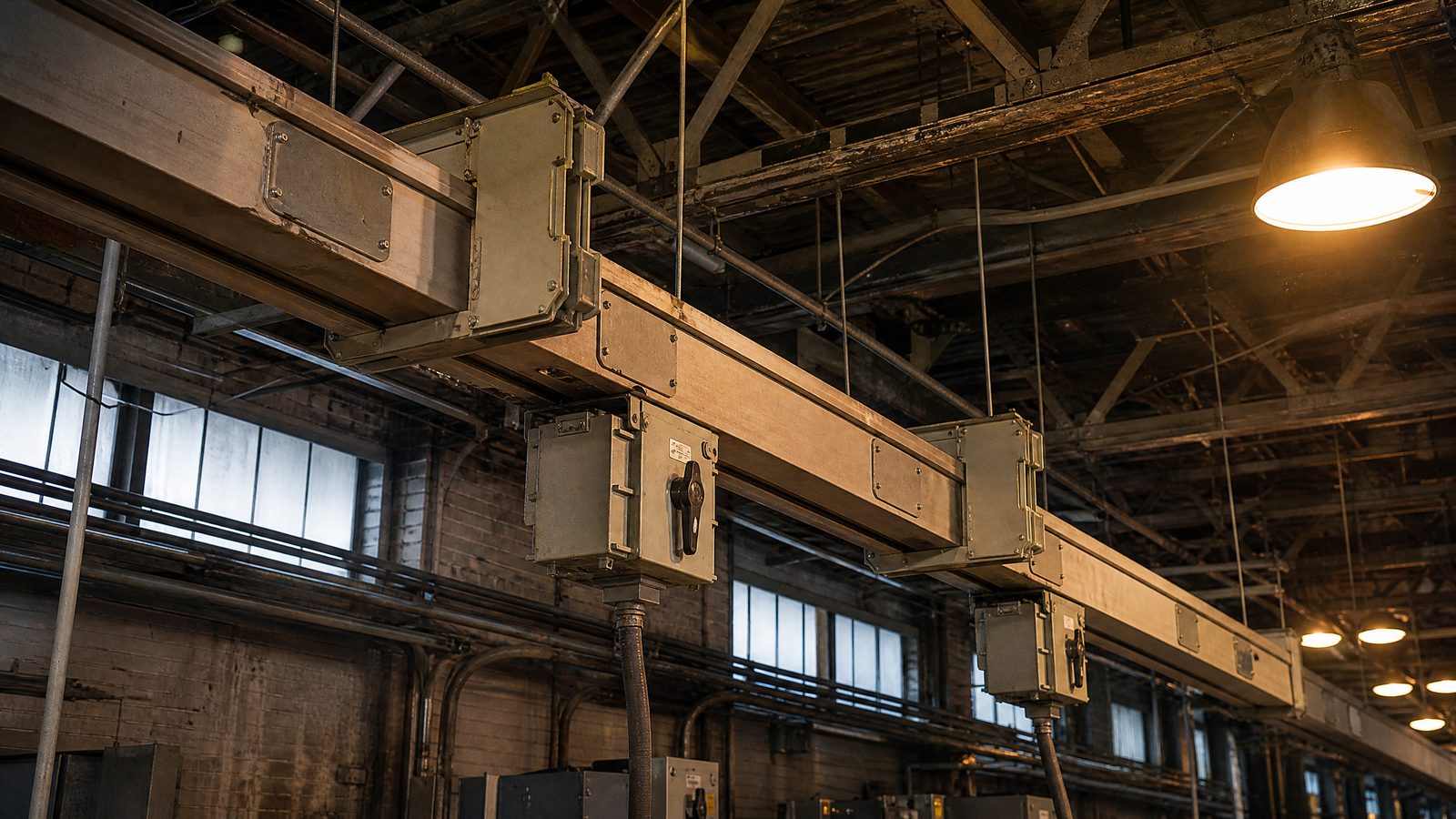
Bus duct is dropped in runs from the hangers with lifts, not cut into scrap lengths, because intact runs with the plugs are worth materially more. Transformers are skidded, jacked or craned depending on the pad and the door.
Cable is pulled from tray and conduit and coiled rather than chopped, because clean coils with identifiable insulation grade sell better than mixed chop.
Plate 03
What we leave behind
A floor swept, openings protected, and — where the offer says so — conduit stubs cut and capped at the slab. We state the restoration scope in writing before we start, because ‘who patches the floor’ is the single most common source of argument on electrical demolition.
If your project needs a full restoration to a defined standard, that is quotable too. It simply gets priced rather than assumed.
Plate 04
Coordinating with your other trades
Electrical removal almost never happens alone. There is a mechanical contractor, a structural demolition crew, an abatement contractor and a GC with a schedule. Our crews are used to sequencing behind abatement and ahead of structural.
Send us the schedule and we will tell you plainly where our work fits and how many days we need.
Questions
Frequently asked
Do you charge for removal?
No. On any lot with recoverable value the removal cost is priced into the offer and you receive a net number. If a lot is genuinely worthless — badly burned gear, scrap-only aluminum panels in a bad location — we will tell you that instead of inventing a number.
Do you buy equipment that is still energized?
We buy it, but we do not touch it energized. Your electrician or the utility de-energizes and locks out, your representative verifies it, and then our crews begin.
Are you insured?
Yes. General liability and workers' compensation, with certificates naming your entity and your general contractor sent before mobilization if your site requires it.
Do you handle transformers with oil?
Yes, including PCB-suspect units. Oil is sampled and handled to the applicable federal and state rules, and you receive documentation for your records.
Can you work nights, weekends or during a shutdown?
Yes. Most industrial electrical removals happen inside a shutdown window, so off-hours and weekend work is normal for our crews.
How do you decide what something is worth?
Ratings and configuration first, then how sellable the specific nameplate is, then condition and documentation, then the real cost of getting it out of your building. The last item is the one sellers consistently underestimate.
Form 1 — Request for Offer
Get a Written Offer
Send the asset list, or just describe what is in the room. We come back the same business day with a written, itemized offer.
Faster: call or text 954-740-1983
Email an asset list to electricalequipmentbuyers@gmail.com
Mon–Sat, 7am–7pm ET. We never resell your contact information.