
Markets
Scrap dealer versus equipment buyer — the difference in your check
Both will haul your switchgear away. Only one of them is pricing the nameplate.
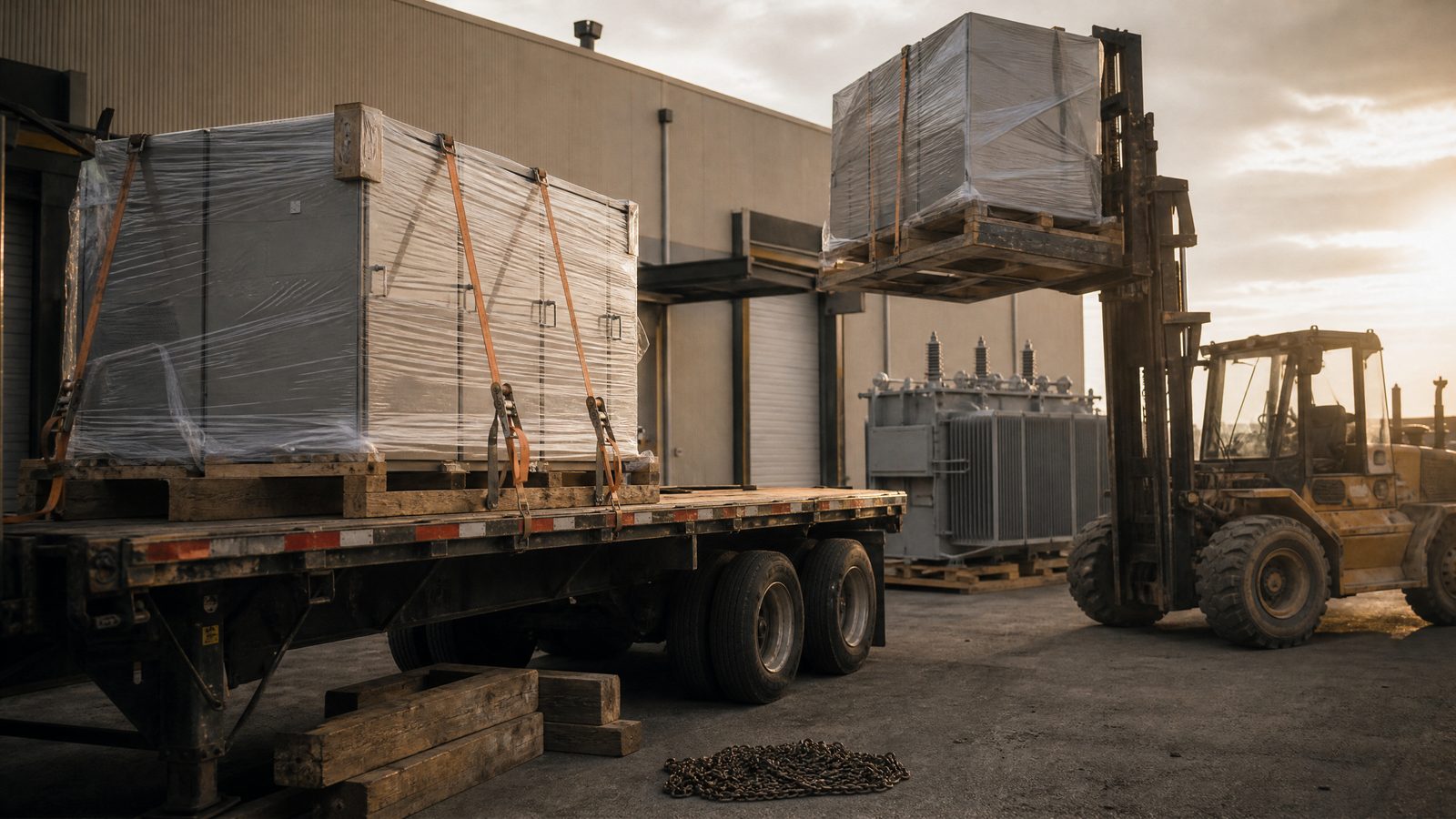
Plate 01
Two fundamentally different business models
A scrap processor makes money on weight and metal separation. Their questions are about tonnage, material mix and access. They are efficient at what they do and they are the right call for genuine scrap.
An equipment buyer makes money on resale to end users, contractors and other dealers. Their questions are about manufacturer, model, rating, vintage and test history. When reuse value exists, they can pay a multiple of scrap value because they are selling an asset rather than a commodity.
Plate 02
How to tell in the first two minutes
Listen to the questions. If nobody asks for the nameplate, you are talking to a weight buyer. If the first question is about tonnage, same conclusion. If you are asked for manufacturer, catalog number, voltage class and whether you have test reports, you are talking to someone pricing reuse.
The other tell is the shape of the offer. A weight buyer quotes a price per pound or per ton, possibly by material grade. An equipment buyer quotes itemized amounts against specific pieces of equipment, with the removal scope stated.
Plate 03
When the scrap dealer is genuinely the right answer
Fire-damaged and submerged equipment, gear from families with no installed base remaining, small panels and lighting, conduit and fittings, and anything already cut apart. In those cases there is no reuse market to access and a processor's efficiency is real value.
There is no shame in a scrap transaction. The mistake is making one unknowingly on equipment that had a reuse market.
Plate 04
The hybrid problem
Most plant lists contain both. The right handling is to have the list identified, sell the reuse-value items as equipment, and let the remainder go as recovery. A buyer who handles both — pricing reuse where it exists and recovery where it does not, in one itemized offer — saves you from running two projects.
What you should insist on either way is that the offer says which basis applies to which line. That single piece of transparency is how you know you are not selling a resale asset at a scrap price.
Questions
Frequently asked
Will a scrap yard pay less for switchgear?
For gear with reuse value, usually much less, because they are pricing metal content rather than the asset. For genuine scrap the difference narrows considerably.
How do I know if my equipment has reuse value?
Nameplate identification is the only reliable way. Make, model, rating and vintage determine whether an aftermarket exists.
Do you also handle the items with no resale value?
Yes. Mixed lots are normal, and we itemize which lines are priced on reuse and which on recovery so you can see the basis.
Should I get quotes from both?
It is reasonable, as long as you compare like for like — including who performs the removal, who carries the insurance and when payment happens.
Next
Related field notes
How copper prices set the floor under used electrical equipment
Where the copper actually is in switchgear, transformers, busway and cable, and how commodity markets move offers on equipment that has no resale value.
MarketsWhat used switchgear is actually worth
How a used-switchgear buyer builds a number: resale value versus copper content, which nameplates matter, and the removal costs that get subtracted before you see an offer.
ValuationThe questions that separate a real buyer from a broker with a phone
Certificates of insurance, additional insured status, crew employment, safety programs and site access. What to verify before anyone works in your building.
ProcessForm 1 — Request for Offer
Get a Written Offer
Send the asset list, or just describe what is in the room. We come back the same business day with a written, itemized offer.
Faster: call or text 954-740-1983
Email an asset list to electricalequipmentbuyers@gmail.com
Mon–Sat, 7am–7pm ET. We never resell your contact information.