
Compliance
What paperwork you should receive when equipment leaves your site
The equipment leaves in a day. The documentation is what you still need in five years.
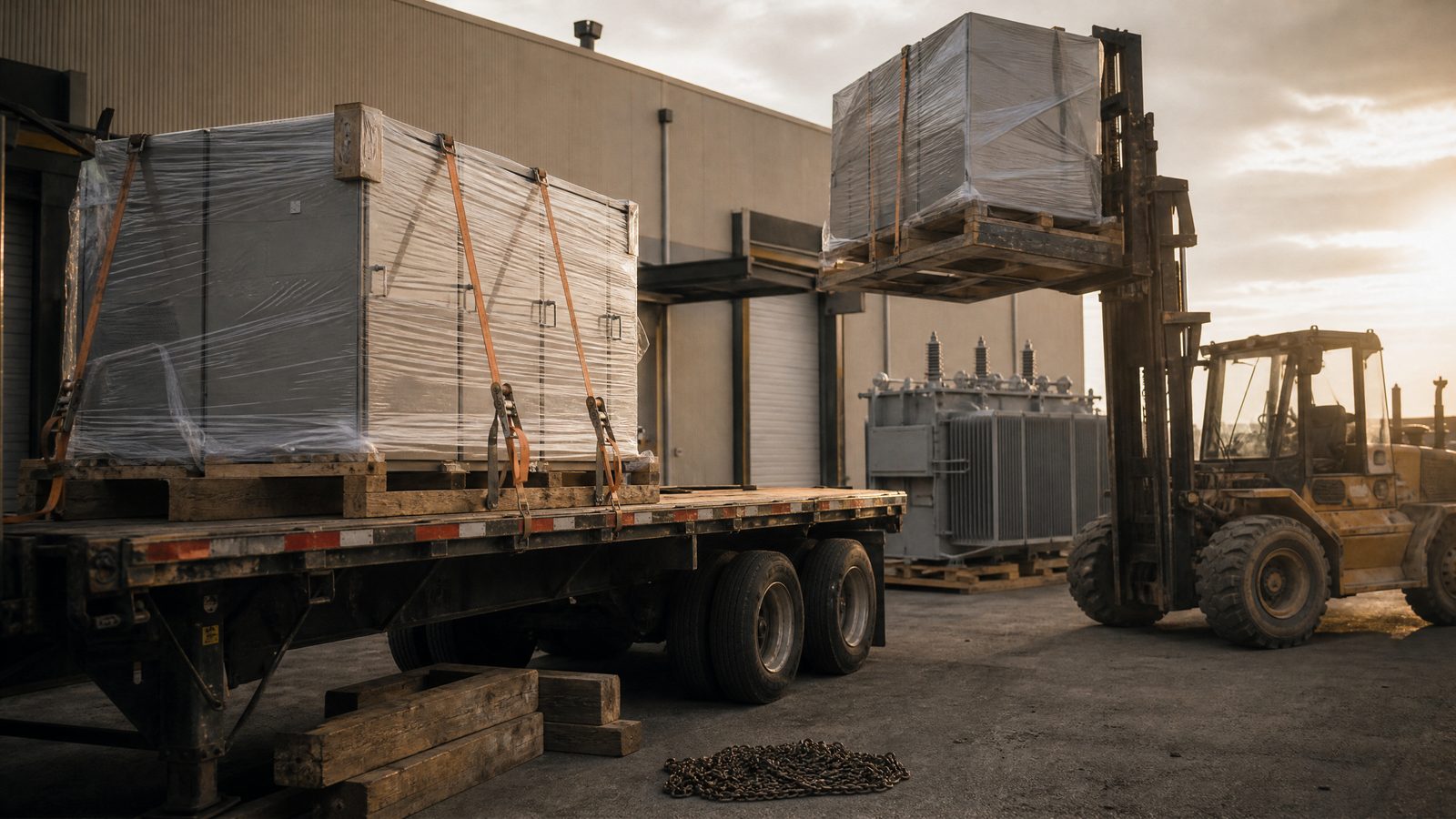
Plate 01
Why chain of custody matters to a seller
For most material, ownership transfers cleanly and the matter is closed. For regulated material it is not that simple: responsibility for PCB-containing equipment, mercury components and batteries can follow the generator, meaning your organization, regardless of who hauled it away.
Documentation is how you demonstrate that material went to a properly permitted facility and was handled correctly. It costs nothing to obtain at the time of removal and is effectively impossible to reconstruct later.
Plate 02
The documents to collect
A bill of sale identifying the equipment purchased and transferring title. Weight tickets from the receiving facility for material sold by weight. A certificate of recycling or destruction for equipment processed rather than resold. Manifests for regulated waste streams, with the permitted receiving facility identified.
For transformers specifically, PCB testing results and, where applicable, disposal documentation from a facility permitted for PCB-containing equipment. For batteries, recycling documentation from a permitted processor.
Plate 03
Data and identification concerns
Modern electrical equipment increasingly contains configuration data: relay settings, network configuration, SCADA addressing, sometimes facility topology. It is not sensitive in the way that IT equipment is, but for critical infrastructure it is worth a moment's thought.
Also consider nameplates and asset tags identifying your facility. Most organizations do not care; some — utilities, defense-adjacent facilities, certain data center operators — do. If it matters to you, say so in advance and it can be handled during processing.
Plate 04
Building the file
Keep one project file: the written offer, the bill of sale, the invoice and proof of payment, the insurance certificates, weight tickets, recycling certificates and any manifests. Store it wherever your organization keeps records that must survive staff turnover.
This is a fifteen-minute task at the end of a project that occasionally saves an enormous amount of difficulty years later. It is the single easiest piece of risk management available in an equipment sale.
Questions
Frequently asked
What documentation should I receive after a sale?
A bill of sale, an invoice and payment record, weight tickets where material sold by weight, recycling or destruction certificates, and manifests for any regulated material.
Am I still responsible after equipment leaves my site?
For most material, no. For regulated material such as PCB-containing equipment and batteries, generator responsibility can persist, which is why documentation matters.
Can you remove nameplates and asset tags?
Yes, on request. Tell us in advance and identifying marks are removed during processing.
Do you provide certificates of recycling?
Yes, for equipment that is processed rather than resold, along with weight tickets and manifests where applicable.
Next
Related field notes
Transformer oil and PCB documentation, explained plainly
What PCB classification means for a transformer sale, which vintages need testing, and the documentation a seller should insist on receiving at removal.
ComplianceTen questions that separate real buyers from brokers
Insurance, licensing, references, payment timing, removal capability and recycling documentation — a practical checklist for vetting an equipment buyer.
ProcessThe questions that separate a real buyer from a broker with a phone
Certificates of insurance, additional insured status, crew employment, safety programs and site access. What to verify before anyone works in your building.
ProcessForm 1 — Request for Offer
Get a Written Offer
Send the asset list, or just describe what is in the room. We come back the same business day with a written, itemized offer.
Faster: call or text 954-740-1983
Email an asset list to electricalequipmentbuyers@gmail.com
Mon–Sat, 7am–7pm ET. We never resell your contact information.